Comparative Analysis of Garbage Compactor Truck Features
Introduction Garbage compactor trucks play a crucial role in waste management systems by collecting and compacting solid waste efficiently. These specialized vehicles are essential for maintaining cleanliness in urban areas and ensuring proper disposal of waste materials. With Garbage truck waste transportation increasing focus on sustainability and environmental protection, it is important to understand the key features and capabilities of different garbage compactor trucks available in the market. In this article, we will conduct a comprehensive comparative analysis of various garbage compactor truck models, focusing on their unique features, specifications, and performance metrics. 1. Types of Garbage Compactor Trucks There are several types of garbage compactor trucks available, each designed for specific waste management needs. The most common types include: – Rear Loader Compactor Trucks: These trucks feature a compactor mechanism at the rear of the vehicle, allowing waste collectors to load garbage from residential or commercial bins into the compactor for compression and storage. – Front Loader Compactor Trucks: Front loader compactor trucks are commonly used for collecting waste from commercial establishments and industrial sites. These trucks feature a front-loading mechanism that allows for efficient collection and compaction of large volumes of waste. – Side Loader Compactor Trucks: Side loader compactor trucks are equipped with a side-loading mechanism that enables waste collectors to pick up garbage from curbside bins or containers. These trucks are ideal for narrow streets and areas with limited access. 2. Key Features Comparison When comparing garbage compactor trucks, several key features should be considered to determine their efficiency and performance. Some of the essential features to evaluate include: – Compaction Mechanism: The efficiency of the compaction mechanism is crucial for maximizing the storage capacity of the truck and reducing the frequency of trips to the disposal site. Hydraulic compactors are commonly used in garbage compactor trucks for efficient waste compression. – Capacity: The storage capacity of a garbage compactor truck is a critical factor in determining its operational efficiency. Trucks with larger capacities can collect and transport more waste in a single trip, reducing overall operational costs. – Loading Mechanism: The loading mechanism of the truck, whether rear, front, or side-loading, plays a significant role in determining its flexibility and usability in different environments. The loading mechanism should be designed for easy and efficient waste collection. – Safety Features: Garbage compactor trucks should be equipped with safety features such as backup cameras, warning signals, and emergency stop systems to ensure the safety of operators and pedestrians during operation. – Maintenance Requirements: The maintenance requirements of a garbage compactor truck can impact its overall operational costs. Trucks with durable components and easy access for maintenance are preferred for long-term reliability. 3. Performance Metrics In addition to key features, various performance metrics can be used to evaluate the efficiency and effectiveness of garbage compactor trucks. Some of the performance metrics to consider include: – Compaction Ratio: The compaction ratio indicates the degree to which waste is compressed inside the compactor. A higher compaction ratio results in more efficient use of storage space and reduced transportation costs. – Collection Speed: The speed at which a garbage compactor truck can collect and compact waste materials is crucial for maintaining efficient waste management operations. Faster collection speeds enable more waste to be processed in a shorter time frame. – Fuel Efficiency: Fuel efficiency is an important consideration for garbage compactor trucks, as fuel costs can significantly impact operational expenses. Trucks with fuel-efficient engines and systems can help reduce overall operating costs. – Environmental Impact: Garbage compactor trucks should be designed to minimize their environmental impact by reducing emissions and fuel consumption. Trucks equipped with advanced emission control systems and alternative fuel options are ideal for sustainable waste management practices. 4. Case Studies and Real-World Applications To provide a practical perspective on garbage compactor truck features and performance, it is helpful to examine real-world case studies and applications. By analyzing how different garbage compactor trucks are used in various waste management scenarios, we can gain insights into their capabilities and limitations. – Case Study 1: City A has implemented a fleet of rear loader compactor trucks for residential waste collection. These trucks feature a high compaction ratio and efficient loading mechanism, enabling the city to reduce the number of trips to the disposal site and optimize waste collection routes. – Case Study 2: Industrial Park B utilizes front loader compactor trucks for collecting and compacting waste from manufacturing facilities. These trucks are equipped with heavy-duty compaction mechanisms and high-capacity storage bins, allowing the industrial park to manage large volumes of waste efficiently. – Case Study 3: Municipality C has adopted side loader compactor trucks for curbside waste collection in residential neighborhoods. These trucks are designed for easy maneuverability in narrow streets and crowded areas, making them ideal for urban waste management. 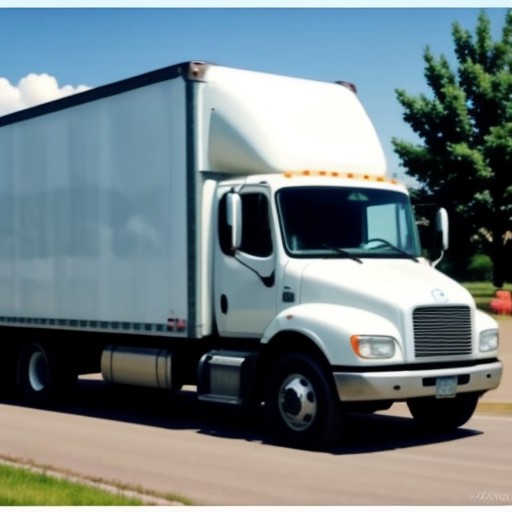 5. Conclusion In conclusion, garbage compactor trucks play a vital role in waste management systems by collecting, compacting, and transporting solid waste in an efficient and environmentally friendly manner. By conducting a comparative analysis of garbage compactor truck features, including key specifications, performance metrics, and real-world applications, stakeholders can make informed decisions when selecting the most suitable truck for their specific waste management needs. With advancements in technology and sustainability practices, garbage compactor trucks continue to evolve to meet the demands of modern waste management challenges.